Sometimes a policy may cover damage tied to a named, sudden covered event; ordinary settling, wear, long-running moisture, and excluded causes are often treated differently. The policy language and the cause of the damage—not the fact that a repair is expensive—control the answer. Read your policy and ask your insurer before assuming a claim will be covered.
Why the cause of the damage matters
“Foundation repair” describes work, not a single cause. A crack may relate to water pressure, soil movement, drainage, a plumbing failure, impact, or a condition that developed over time. Coverage decisions commonly turn on that distinction and on the endorsements and exclusions in a specific policy.
Do not let a contractor, neighbor, or online article interpret your policy for you. Your insurer or licensed insurance professional can explain the language that applies to your address, deductible, and reported event. If the damage followed a sudden incident, ask what steps they want you to take before removing materials or authorizing repairs.
Document before evidence disappears
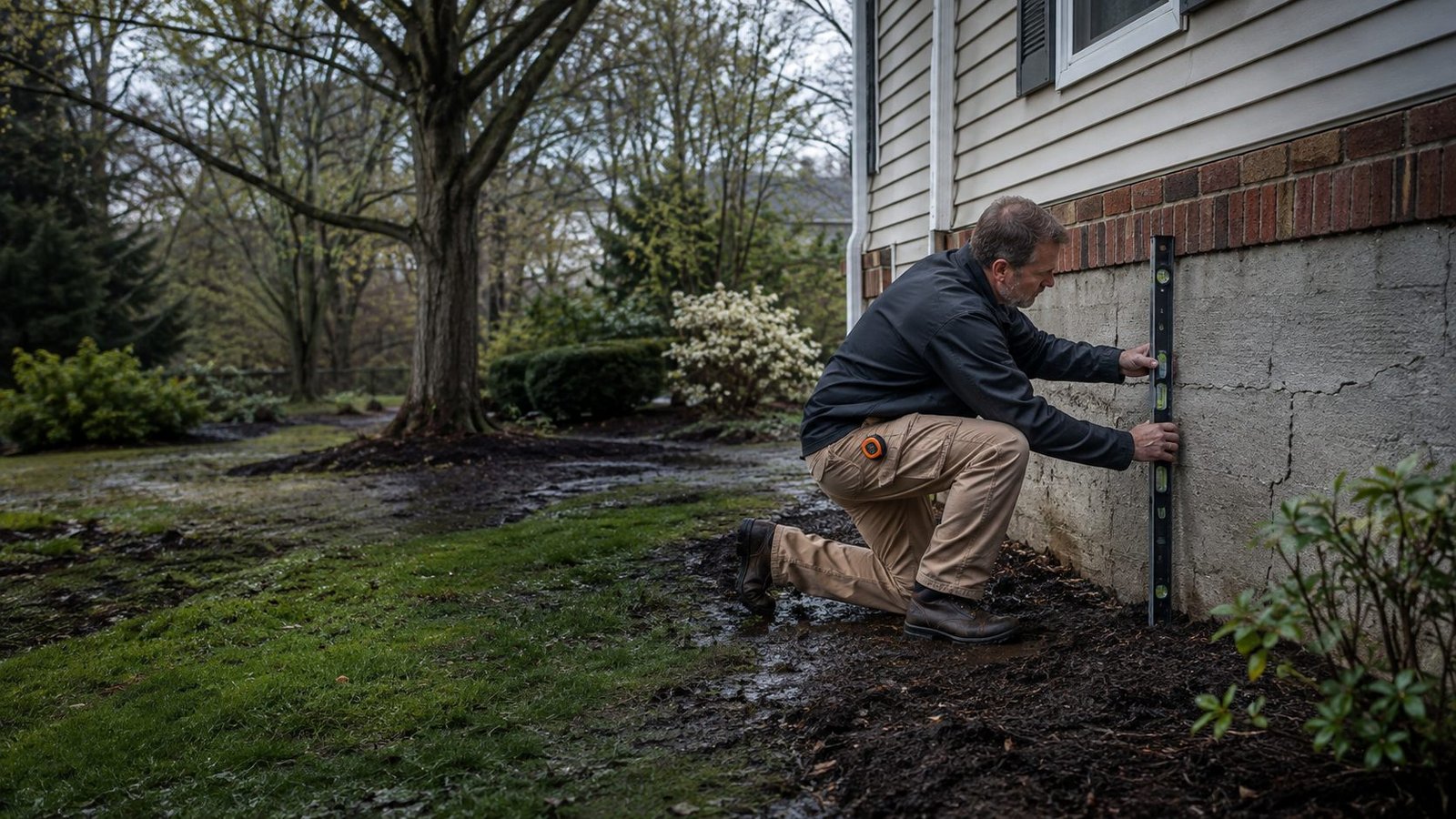
A clean record makes an inspection more useful whether or not you file a claim. Photograph the wall, cracks, floor, affected belongings, and the exterior area from several distances. Take new photos after rain or any event that changes the condition. Keep dates, weather notes, invoices, and a short timeline of when you first noticed the issue.
- Do not erase, patch, or paint over a crack before it has been documented.
- Record standing water, wet finishes, or plumbing leaks separately from structural symptoms.
- Save the declarations page and the relevant coverage and exclusion pages—not just a policy summary.
- Ask whether emergency mitigation is covered and whether the insurer requires approved vendors or an adjuster inspection first.
Our foundation crack monitoring photo guide provides a simple way to make your photos more comparable. For a clear scope of the repair itself, see what affects foundation-repair cost in Indianapolis.
Questions for the insurer or agent
- What cause of loss is being evaluated for this claim?
- Which policy provisions, exclusions, deductibles, and endorsements apply?
- What documentation and timing do you require?
- Should I take steps now to prevent additional damage, and what expenses need approval?
- Can you confirm the claim decision and its reasoning in writing?
Those questions keep the conversation concrete. They also help separate a repair recommendation from an insurance-coverage decision.
Do not delay a safety problem while coverage is reviewed
If a wall is bowing, soil is entering the basement, an exterior opening is worsening, or water is near electrical equipment, protect people first and seek qualified help. You can keep evidence while taking reasonable steps to prevent further loss. A structural concern deserves an inspection even if you are still deciding whether to file a claim.
Indy Foundation Pros can assess foundation and water-management conditions and explain the repair options in writing. Begin with foundation repair for movement symptoms or basement waterproofing when water is the main issue. We do not make insurance-coverage determinations.
Frequently asked questions
Will a claim raise my premium?
That is a question for your insurer or agent. Ask about possible effects before you decide how to proceed.
Does flood insurance cover a basement leak?
Flood coverage and a water leak through a foundation are not interchangeable. Ask the carrier which policy and definition applies to the event you experienced.
Should I get an inspection before calling insurance?
Document conditions promptly and ask the insurer about its process. An independent repair assessment can clarify the physical condition, but it does not decide coverage.
Source: The Washington Office of the Insurance Commissioner’s consumer guidance illustrates the important distinction insurers often make between sudden water events and gradual leakage. Coverage terms vary by policy and state; confirm yours directly with your insurer.