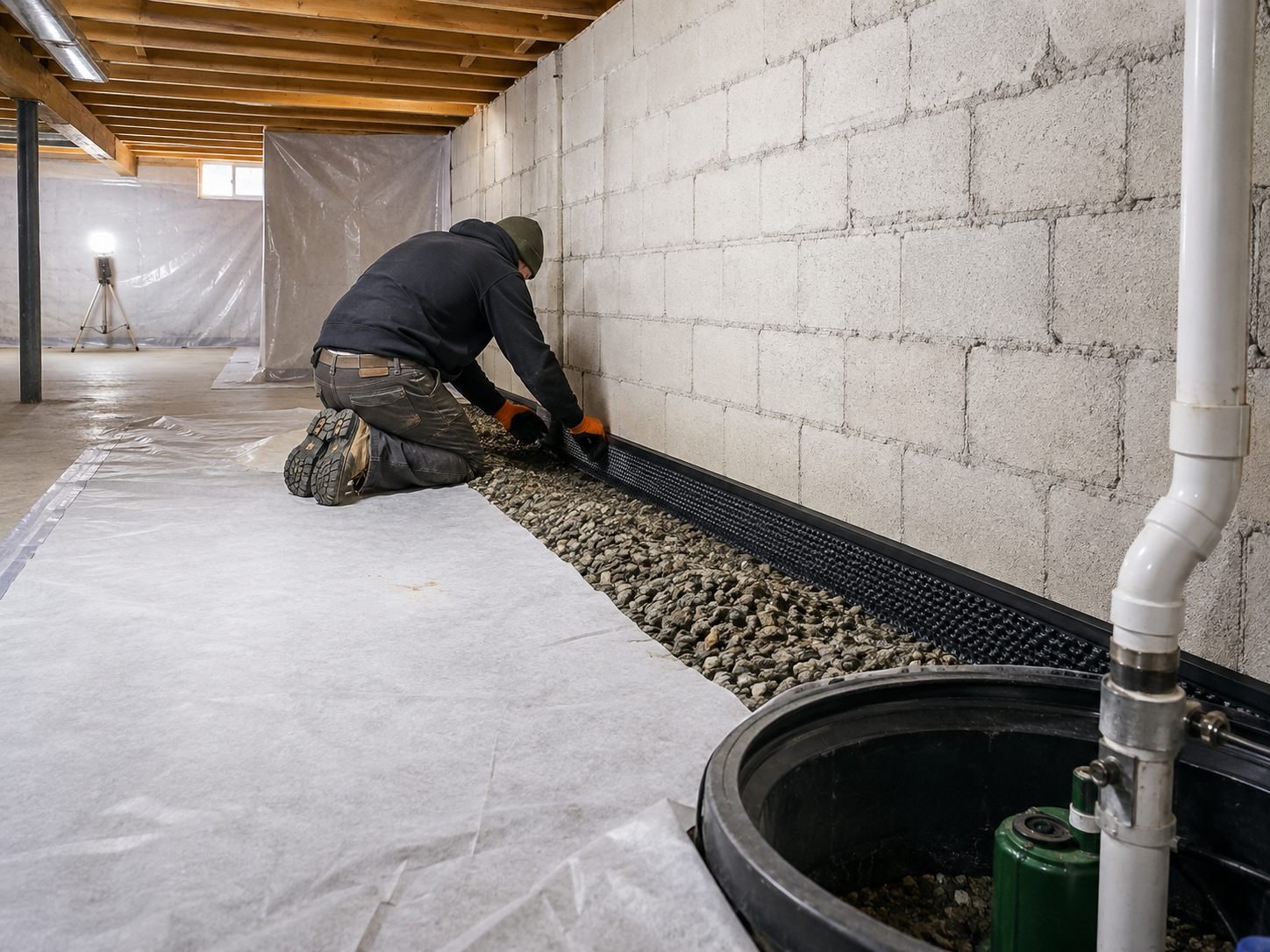
A battery backup can make sense when your primary sump pump runs during storms, a finished basement or stored belongings would be costly to wet, or an outage would leave the pit without a working pump. It is a second layer, not a substitute for a properly sized primary pump, an open discharge route, and a plan to maintain the battery.
When a backup is a sensible fit
Start with the failure you are trying to cover. A primary pump cannot run through a power outage. It can also be overwhelmed by water volume, a stuck float, a blocked discharge, or a mechanical fault. A dedicated backup unit can add resilience to some of those situations, but its actual performance is tied to its battery, pump rating, switch settings, and the water entering the pit.
Consider a backup more seriously if any of these sound familiar:
- The pump cycles during rain and you have no alternate way to move water if electricity fails.
- Your basement is finished or holds equipment, records, or belongings that would be difficult to dry.
- You leave home for stretches of time during the season when the pump normally runs.
- A prior event exposed a weak point: no alarm, a dead battery, no check valve, or a discharge line that iced or disconnected.
Battery backup, generator, or a second primary?
These tools solve different problems. A battery backup is usually a separate, lower-voltage pump with its own battery and float. It can begin when the primary pump loses power or water rises past its set point. Runtime is not a fixed promise: it changes with the battery condition, how often the pump starts, lift height, and inflow.
A generator can power the primary system during an outage, but it needs safe installation, fuel or an automatic-start setup, and enough capacity for the load. A dual-pump system can help with water volume, yet both pumps still need a power plan. A water-powered backup has its own local plumbing and code considerations. The practical question is not “which backup is best?” It is “what will still work at this house when water and a power interruption arrive together?”
What a backup cannot correct
Do not use a backup purchase to skip the basic inspection. It will not clear a blocked discharge line, correct water that drains back to the foundation, or repair a perimeter drain that cannot deliver water to the pit. It also cannot make a pump safe around damaged wiring. Test the primary first with our safe sump-pump checklist, then inspect the outdoor discharge route.
Five questions to ask before you choose a system
- What is the expected water volume and vertical lift for this pit?
- How will the backup activate, alert me, and be tested?
- What runtime range applies to this specific battery and expected cycling?
- Where will the primary and backup discharge, and how is backflow controlled?
- What maintenance does the battery manufacturer require, and who will perform it?
Answers should be specific to your pit and drainage route. Avoid a runtime guarantee that does not name a pump, battery, load, or test condition.
Maintenance is part of the decision
Install day is the easy day. Put a scheduled check on the calendar for the primary, backup, alarm, and discharge. Look for corrosion, loose connections, debris in the pit, and any alarm condition. A homeowner test is useful, but keep electrical safety first; stop and call for help if the outlet, cord, or water around the equipment looks unsafe.
For a complete system review, see our sump pump installation service and interior drainage options. A recurring wet-basement pattern may call for water management around the foundation, not only another pump.
Frequently asked questions
Will a battery backup run for days?
Do not assume that. Runtime depends on the actual battery, pump, and amount of water entering the pit. Ask for the manufacturer’s rating and how it changes at your expected duty cycle.
Can I plug my sump pump into any home battery backup?
Check the pump’s startup and running requirements against the equipment manufacturer’s instructions. A general computer backup is not automatically appropriate for a sump pump.
Should I add an alarm?
An alarm can make a problem visible sooner. It is useful only if it is set up, tested, and able to reach someone who can respond.
Source: The City of Ann Arbor’s backup-sump-pump guide explains why capacity and power source change the protection a system provides. Confirm local installation requirements and product specifications before choosing equipment.